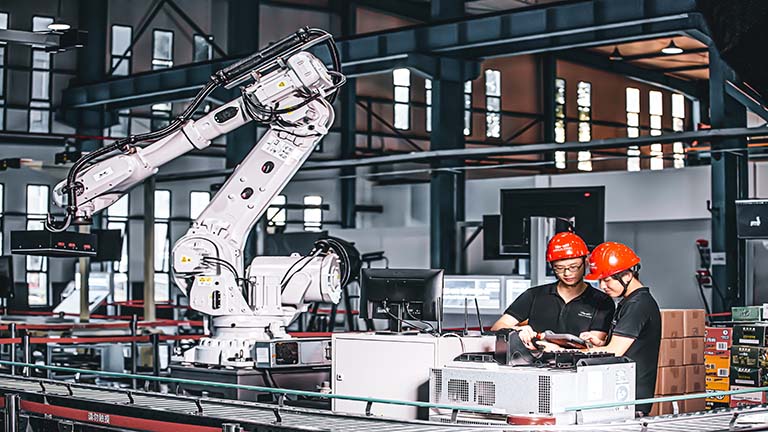
Four Reasons to Implement Automated Manufacturing
Automated manufacturing operations help a facility run more efficiently and productively.

Automated manufacturing operations help a facility run more efficiently and productively.

While augmented reality (AR) and virtual reality (VR) technologies have been in the limelight for many years, they are mostly making headlines for exciting new applications in the consumer realm.
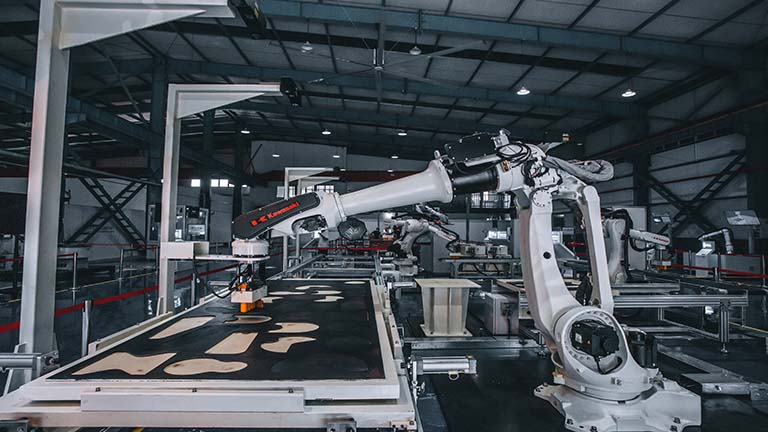
“We’ve experienced 20 years of evolution in two years,” states Rockwell Automation’s CEO, Blake Moret. His statement is telling and illustrates the seismic shifts across the manufacturing sector.

Digital transformation is rapidly evolving throughout the medical, pharmaceutical, and healthcare industries. In the medical device manufacturing segment, digital and smart manufacturing are

For its eighth annual “State of Smart Manufacturing Report,” Rockwell Automation — working with Sapio Research and Plex Systems — surveyed more than 1,000 manufacturers across 13 countries.

“We’ve experienced 20 years of evolution in two years.” That’s how Rockwell Automation's CEO, Blake Moret, describes the findings of the company’s 8th Annual State of Smart Manufacturing
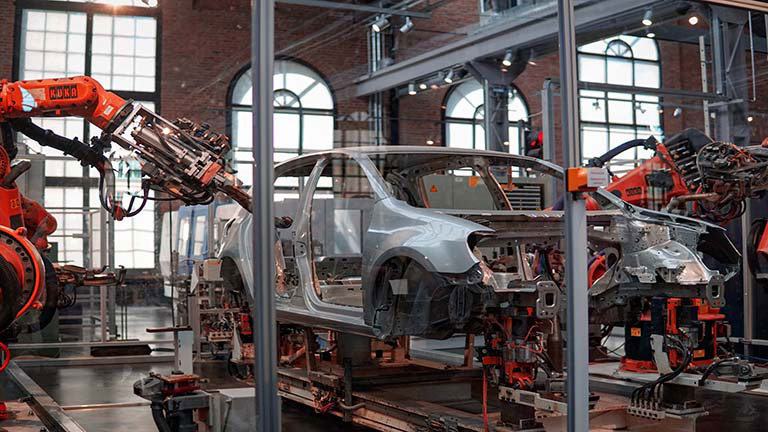
The impact of real-time data-based automation on industries is becoming increasingly apparent. None are due for greater disruption than manufacturing businesses.
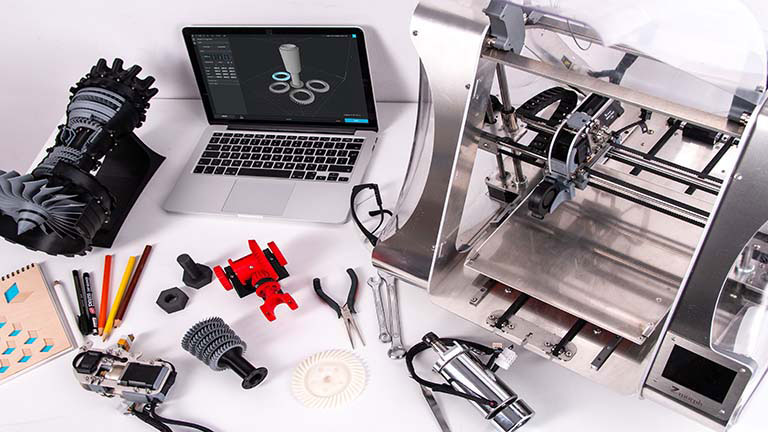
As we begin 2023, Pravina Raghavan, the director of NIST’s Manufacturing Extension Partnership, looks ahead to the most transformative technology taking hold for the coming year and beyond in the

The global pandemic transformed manufacturing facilities. Unprecedented staffing shortages, supply chain disruption and an immediate need for simplified operations increased the demand for smart,

One of the many lessons learned from the COVID-19 pandemic was just how fragile the global supply chain is.