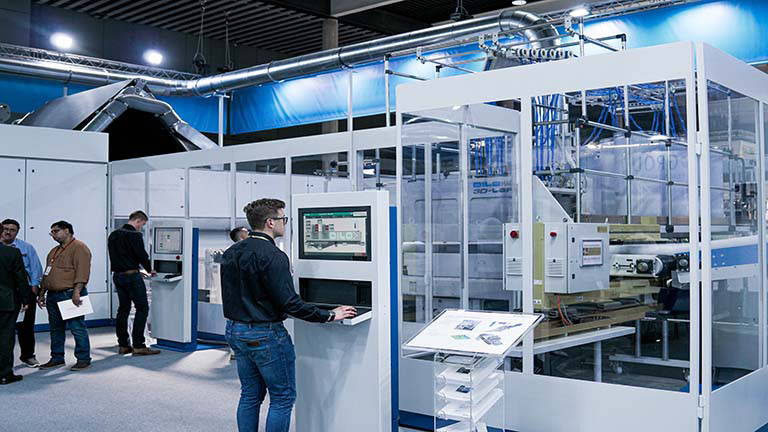
The Industrial Internet of Things (IoT) and the Future of Smart Manufacturing
Smart manufacturing has spurred the fourth industrial revolution, driven by a variety of innovative technologies, most significantly the industrial internet of things.

Smart manufacturing has spurred the fourth industrial revolution, driven by a variety of innovative technologies, most significantly the industrial internet of things.
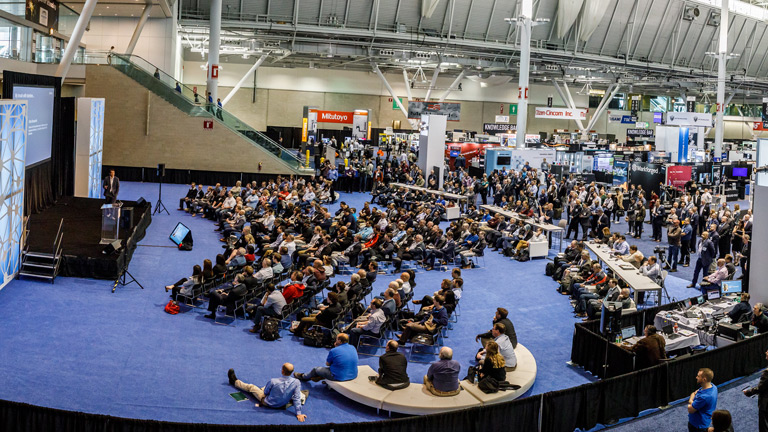
Smart Manufacturing Experience 2022, a hybrid in-person/livestreamed event, will help small to medium manufacturers (SMMs) leverage the power of advanced manufacturing technologies to improve
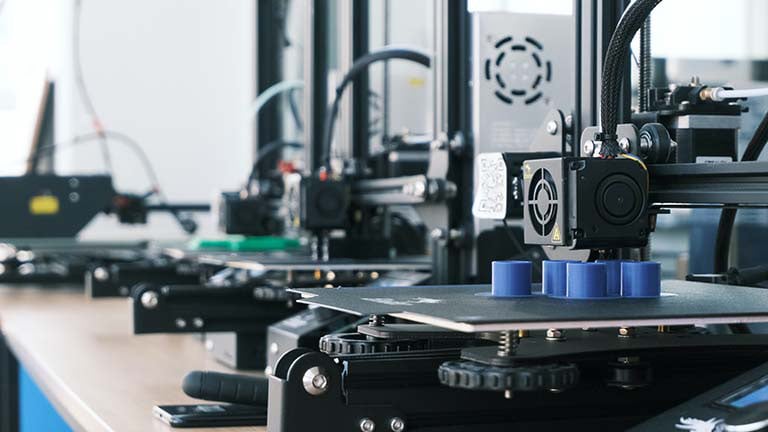
After a year fraught with supply chain and environmental crisis, the industrial world is being incentivized to adopt technological solutions, such as additive manufacturing, that improve the way
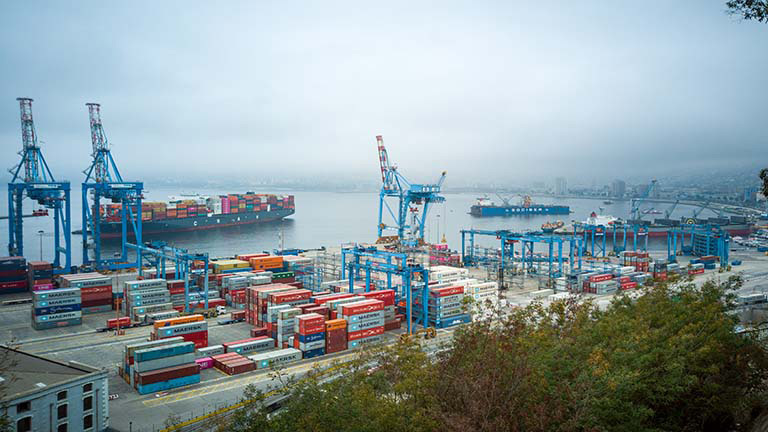
Supply chain problems plagued 2021, and these troubles are predicted to continue in 2022. A mix of coronavirus lockdowns, labor shortages and poor logistics has created the perfect storm for
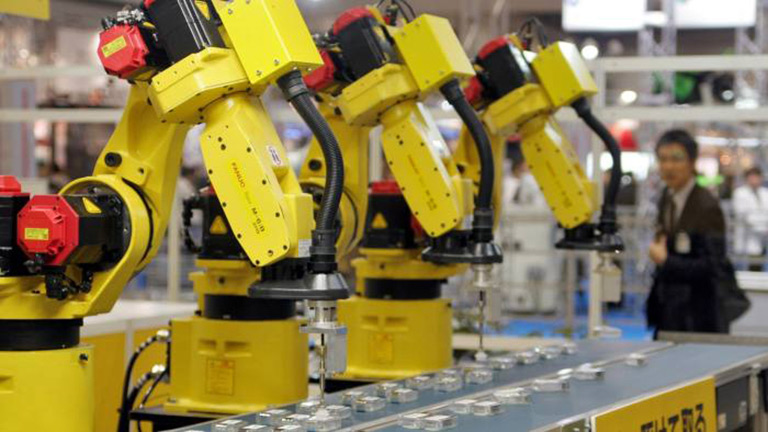
FANUC America, the leading supplier of Computer-Numerical Controls (CNCs), industrial robots and ROBOMACHINES, and the Manufacturing Skill Standards Council (MSSC), the long-established U.S.
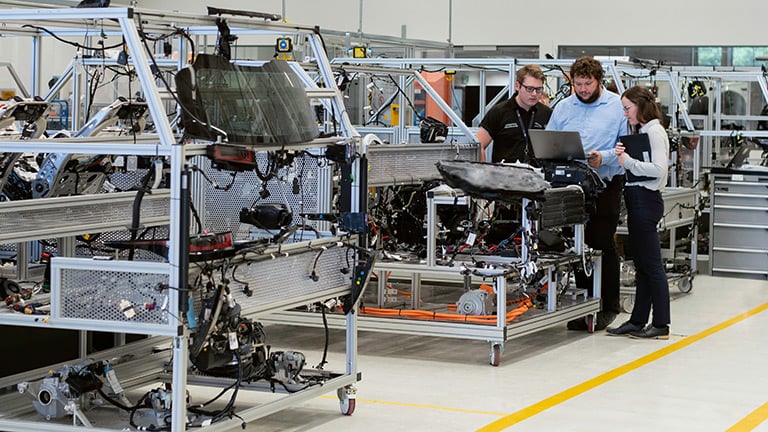
Components of Digital Manufacturing are the applications and uses of computer systems to different aspects of advanced manufacturing such as supply chains, products, and processes. The technology

When it comes to futuristic technology, people tend to think about things like flying cars, robots, or virtual reality but the technological advancement that is likely to affect our future
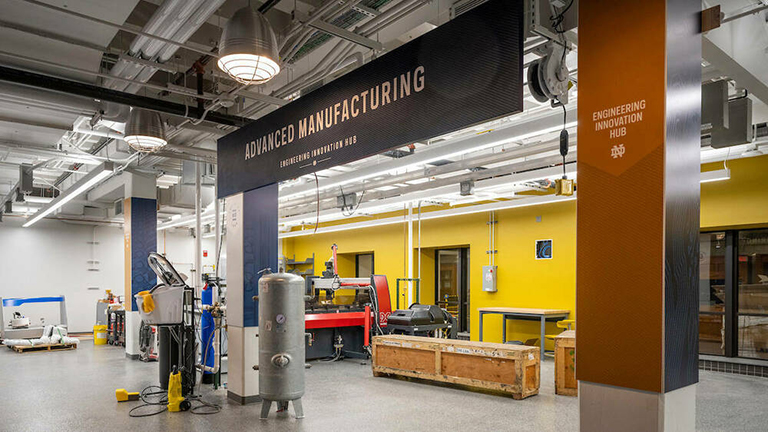
The University of Notre Dame’s Engineering Innovation Hub (EIH) has opened its doors to students and industry partners.
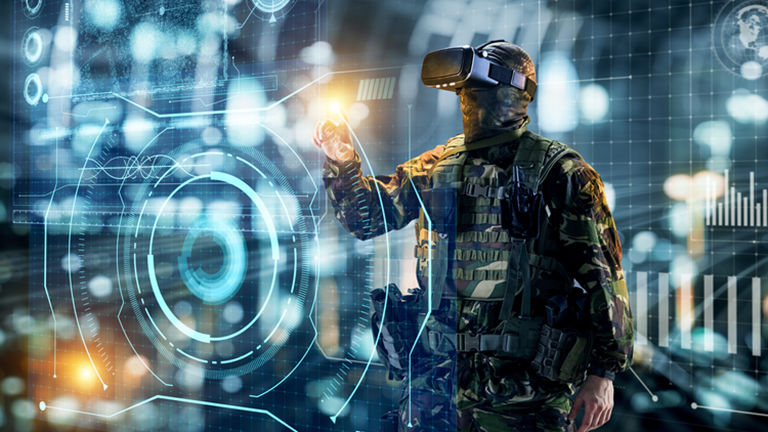
The National Association of Manufacturers (NAM is one of the leading entities for providing a pipeline of supply chain talent, and its latest endeavor is going high-tech to reskill the military

Manufacturing Global looks at recent commitments made by the UK, Czech Republic, US, and Japan.