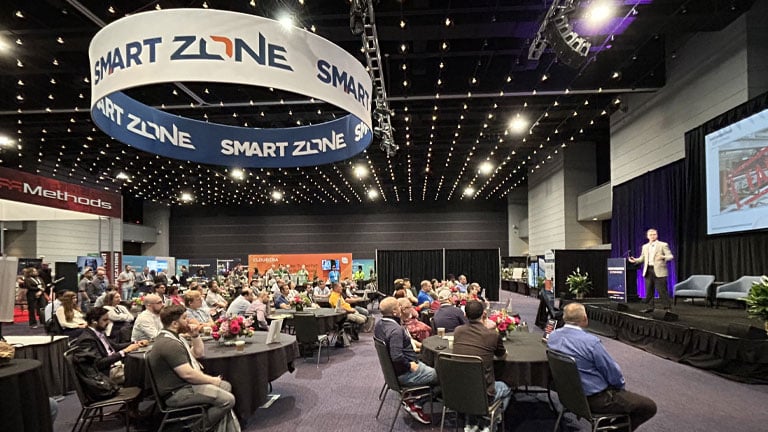
Smart Manufacturing Experience, tuX, Women of SMART Wrap Up Successful Pittsburgh Visit
Events bring industry together to share knowledge and shape the future of manufacturing

Events bring industry together to share knowledge and shape the future of manufacturing
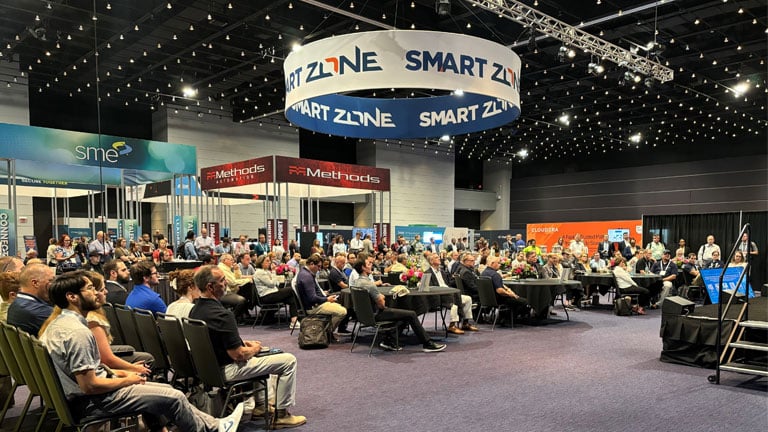
The Smart Manufacturing Experience 2024 event, produced by SME and AMT – The Association for Manufacturing Technology, successfully concluded its Pittsburgh event, drawing over 800 manufacturers
Pittsburgh knows the ever-evolving landscape of manufacturing like the back of its hand, having transformed from its deep roots in traditional manufacturing to the high-tech manufacturing hub it

We get it. Your phone's home screen is starting to resemble your browser tabs with all those apps vying for your attention. But hold on, because the SME+ App is not just another fleeting

Digital transformation is top of mind for many manufacturing companies, but to achieve results manufacturers should begin their transformation with a digital lean approach.
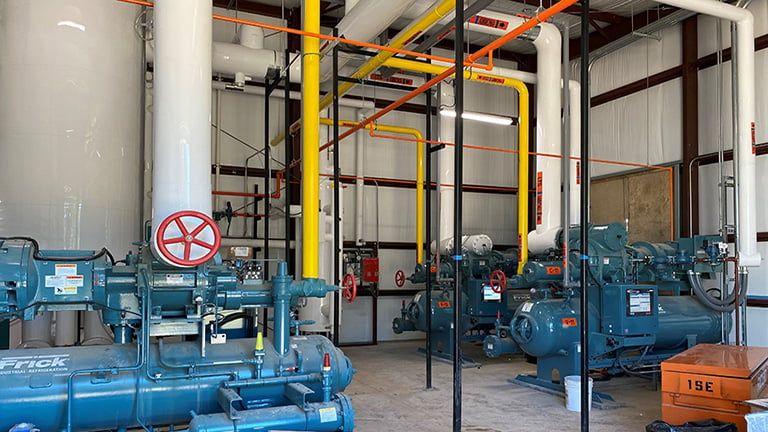
Smart technologies like digital twins and remote alarm notification software ae helping manufacturers collect and leverage real-time data to optimize their operations. Target keyword/key phrase:

SME, the nonprofit dedicated to the advancement of manufacturing technology and fostering manufacturing and engineering talent and capabilities in North America, and AMT – The Association For
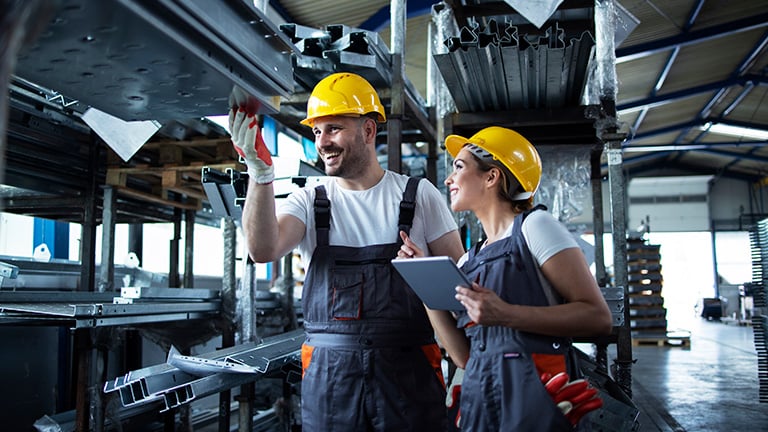
Industry 4.0 has arrived and it’s driving automation of processes globally and a holistic approach to business.
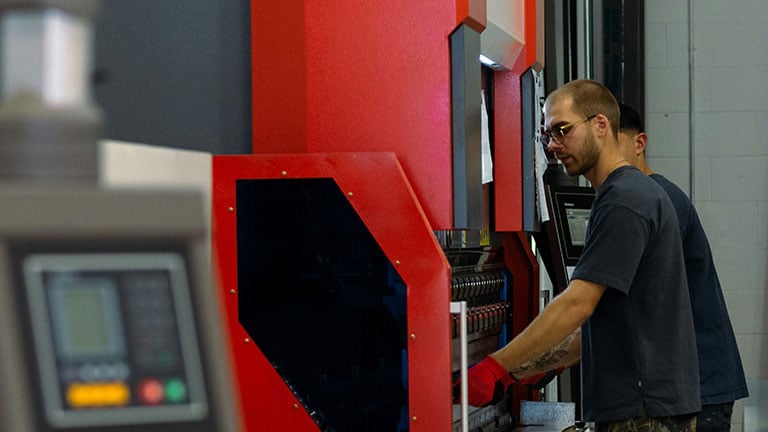
The manufacturing industry is still facing a labor shortage, especially in skilled labor. Companies are attempting to use several tactics to fix this, including investing in advanced technologies

Incorporating machine learning in manufacturing helps to increase efficiency and improve production operations.